
Story by Qays S.M
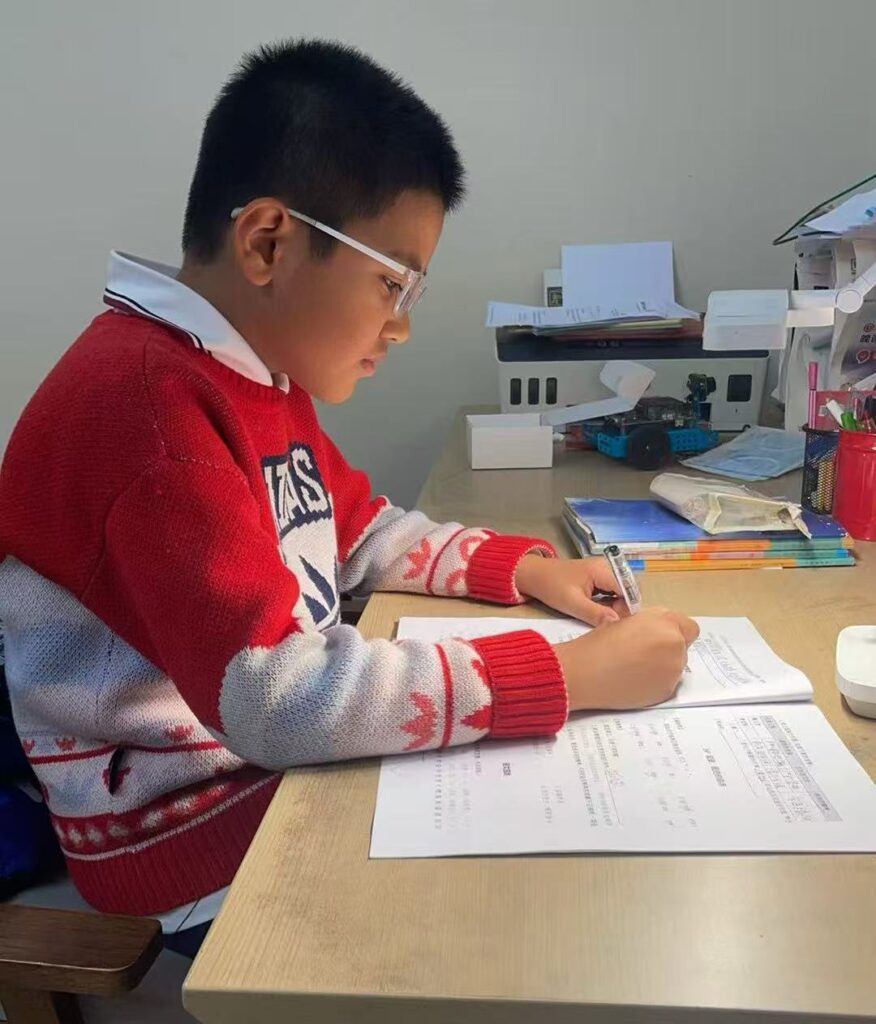
很多家长认为,孩子只要坐在书桌前学习很久,就说明他在认真学习。
但对孩子来说,学习的关键不在于时间,而在于效率。
孩子不像大人那样,可以长时间保持专注。
他们的大脑很容易疲劳,即使身体还坐着,注意力早已分散。
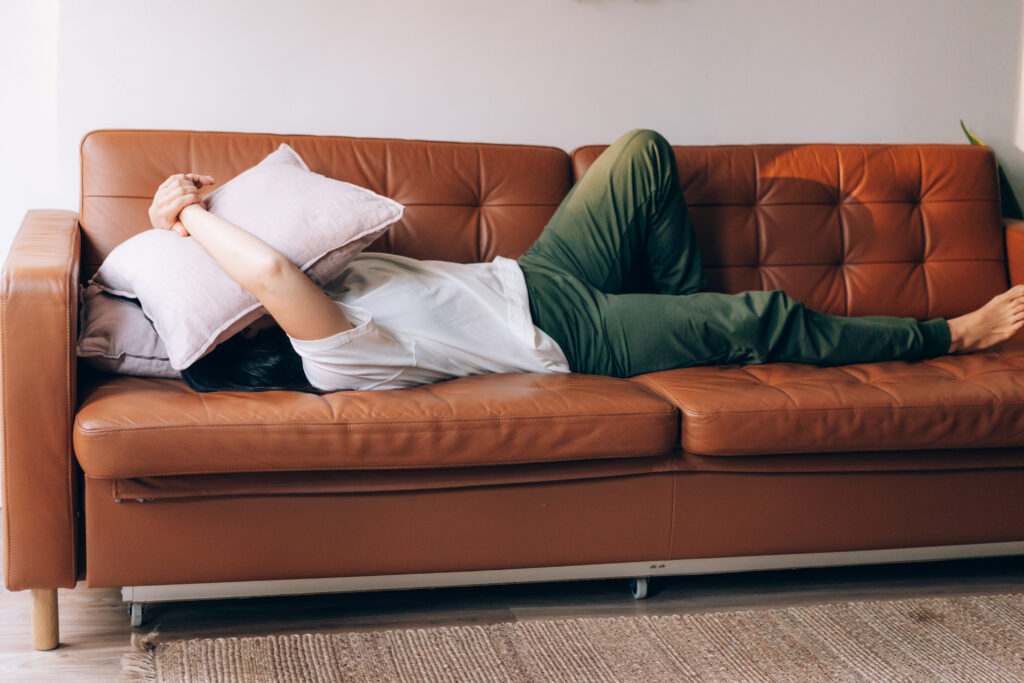
当孩子坐得太久,学习就会变成压力,而不是理解。
有效的学习,应该从短而集中的学习时间开始。
在学习的开始阶段,孩子的大脑最清醒,最适合学习新内容。
到了中段时间,更适合复习昨天学过的知识,而不是继续强行学习新章节。
这,才是真正高效的学习方式。
对大多数孩子来说,每次连续学习20–30分钟是最合适的。
之后,大脑就需要一个短暂的休息。
家长可以教孩子在每30分钟后:
- 站起来
- 伸展身体
- 双手举起,做一个“V”字
- 喝一点水
然后再坐下来,继续学习。
这个简单的习惯,可以让大脑重新充电,让学习保持活跃。
用孩子坐了多久来判断学习效果,并不科学。
孩子可能坐了两个小时,却学得很少。
而另一个孩子,学习30分钟,却真正理解了内容。
学习的效果,来自持续性,而不是一次性的长时间苦学。
English Version
What Matters More for Kids While Learning: Time or Efficiency?
Many parents believe that learning means sitting at a table for long hours.
But for children, time alone does not mean learning.
What truly matters is efficiency.
Children do not have the ability to stay focused for a long time like adults.
Their brains get tired quickly, even if their bodies are still sitting.
When a child sits too long, learning turns into stress, not understanding.
Good learning starts with short, fresh sessions.
At the beginning of a study session, a child’s mind is open and ready to learn new topics.
In the middle part, the brain works better for revision, not heavy new content.
This is what efficient learning looks like.
The best study time for most children is 20–30 minutes at a stretch.
After that, the brain needs a short break.
Parents should teach children to:
- Stand up
- Stretch the body
- Raise hands up like a “V”
- Drink some water
Then sit again and continue.
This simple habit refreshes the brain and keeps learning active.
Watching how many hours a child sits is not the right measure.
A child can sit for two hours and learn very little.
Another child can study for 30 minutes and truly understand the lesson.
Learning success comes from consistency, not from one long, tiring session.
Daily short learning builds confidence, memory, and interest.